

Pancreas Cancer

Pancreatic Cancer Treatment In Patna, Bihar
pancreatic cancer

Pancreatic cancer (PC) is a very rare cancer, ranked 14th in incidence and 7th in mortality globally. In India, the pancreas ranks 24th with almost 10860 new cases and ranks 18th in death rate.

It is observed that because of the changing lifestyle, PC rates will increase in the near future. Besides this, several other factors and changing lifestyles have affected the occurrence of this disease over the years.

If you’re seeking expert guidance and the highest quality of care, contact Dr. Navin Kumar today. Your journey towards recovery starts here with the Pancreatic Cancer Specialist in Patna.

Let’s know about Pancreatic Cancer, its types, causes, symptoms and treatment.

What is Pancreatic Cancer?

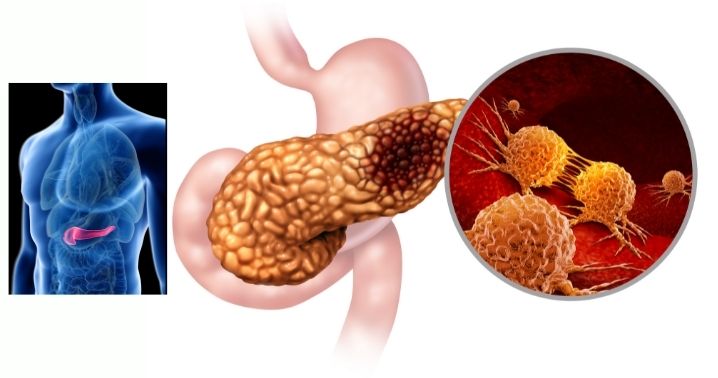
Pancreatic cancer starts in the tissues of the pancreas — an organ in your abdomen that lies behind the lower part of your stomach. Your pancreas releases enzymes that help in digestion . It also the produces hormones that help manage your blood sugar and various other metabolisms in the body.

Various growths can occur in the pancreas, which may include noncancerous and cancerous tumors. However, the most common type of cancer that forms in the pancreas begins in the cells in the lining of ducts that carry digestive enzymes out of the pancreas. This is called adenocarcinoma of pancreas.

Unfortunately, pancreatic cancer is not easily detected in early stages when it’s most curable. This is because it rarely presents any symptoms until it has spread to surrounding tissues.

Types of Pancreatic Cancer
types of pancreatic cancer

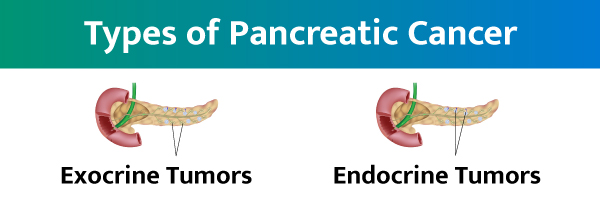
Two types of tumors grow in the pancreas: exocrine and endocrine tumors. Majority of all pancreatic tumors are exocrine tumors, and the most common variety of exocrine pancreatic cancer is termed adenocarcinoma.

Therefore, pancreatic adenocarcinoma is what people mean when they are talking about pancreatic cancer. As this kind of cancer begins in the ducts of the pancreas, it is also known as ductal adenocarcinoma.

The other uncommon types of the pancreatic tumors are neuroendocrine tumors (NETs), cystic tumours, pancreatoblastoma, SPEN and acinic cell tumours .

Causes of Pancreatic Cancer

Until now, no specific cause of pancreatic cancer has been identified. We still don’t know what is the exact cause of pancreatic cancer is. However, clinical research has been able to identify some risk factors for pancreatic cancer.

Don't Ignore The Signs!

Consult Pancreatic Cancer Specialist in Patna if you experience any
Pancreatic Cancer Symptoms.

Book An Appointment Today

Risk factors for Pancreatic Cancer

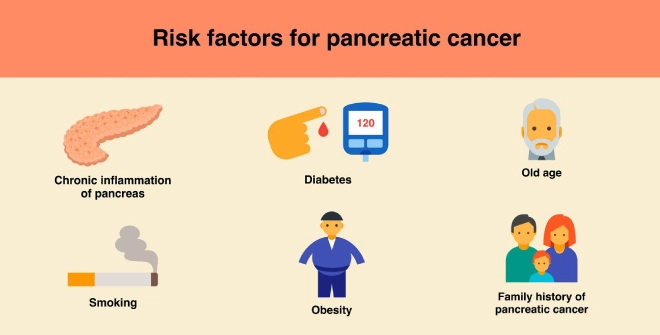
Risk Factors include:

  • Smoking cigarettes, and other forms of tobacco
  • Drinking alcohol
  • Obesity 
  • Diabetes (type 2)
  • Exposure to chemicals such as the ones used in dry cleaning 
  • Chronic pancreatitis (inflammation of the pancreas) 
  • Hereditary chronic pancreatitis 
  • Hereditary syndromes with mutations in genes like the BRCA genes that are passed from parent to child
  • Age more than 45
  • Male gender is more prone than female gender

Your doctor may suspect pancreatic cancer if you have more of these risk factors or recently developed pancreatitis or diabetes.

risk factor of pancreatic cancer

Signs and Symptoms of Pancreatic Cancer

Signs and symptoms of pancreatic cancer rarely show until the disease has reached the advanced stage. They may include:

  • Abdominal pain 
  • Loss of appetite 
  • Yellowish discolouration of skin and the whites of your eyes 
  • Light-colored stools
  • Dark-colored urine
  • Itchy skin
  • Development of diabetes 
  • Fatigue

Diagnosis

If your doctor suspects pancreatic cancer, you may have to undergo one or more of the following diagnostic tests:

Imaging tests used to diagnose pancreatic cancer include magnetic resonance imaging (MRI) with MRCP , computerized tomography (CT) scans, and positron emission tomography (PET) scans.

Endoscopic ultrasound (EUS) is a technique that uses an ultrasound device incorporated into an endoscope to get the visual of your pancreas. This device is passed down your oesophagus just like an endoscopy procedure. When the tip reaches the second part of duodenum it obtains pictures of pancreas. The characteristics of the tumor and its relation to surrounding structures can be studies in detail using EUS.

Biopsy is a procedure for removing a small tissue sample to examine under a microscope. The sample is collected by inserting a needle through your skin and into your pancreas (fine-needle aspiration/core needle biopsy). For a curative surgery biopsy is not needed in pancreatic cancer. However if radiation or chemotherapy is being considered as treatment options then biopsy becomes necessary.

Blood test. Blood tests are done for specific proteins (tumor markers) released by pancreatic cancer cells. It may also be useful in knowing how cancer responds to treatment.Ca 19-9 tumor marker is the most commonly studied one for pancreatic cancer.

Pancreatic Cancer Treatment in Patna

surgery

Treatment for Pancreatic Cancer in Patna are based on the type of pancreatic cancer, its stage, overall health, and personal preferences.

Treatment Option Icon 300x300 Surgery

If the cancer is localized, surgery forms the main part of treatment. There are three main surgical procedures sued for removing pancreatic cancer:

1. Whipple procedure

In a Whipple procedure, a pancreatic cancer surgeon in Patna removes the head , neck and uncinate process of pancreas, along with regional lymph nodes. Due to close proximity and shared blood supply whole of duodenum, lower part of stomach, distal common bile duct, first few centimeter of small intestine ( jejunum) are also removed. A modification this surgery is called PPPD – Pylorus Preserving Pancreatic Duodenectomy. In this surgery no part of stomach is resected.

2. Distal Pancreatectomy

In distal pancreatectomy, the surgeon removes body and tail of pancreas with or without the spleen.

3. Total Pancreatectomy

In this procedure, the pancreatic cancer suergon removes the entire pancreas and spleen.
Therefore, diabetes may develop after this surgery as the body no longer produces insulin cells.

chemotherapy 1

Treatment Option Icon 300x300Chemotherapy

Most pancreatic adenocarcinomas require chemotherapy even after successful surgery. This is to prevent recurrence and prolong survival. Chemotherapy is also used in inoperable and stage 4 cancer.
radiation therapy

Treatment Option Icon 300x300 Radiation Therapy

Radiation therapy focuses high energy beams on the tumour. In some cases of pancreatic cancer radiation is used before surgery to shrink the tumour. It is also used after surgery in case of unsatisfactory margins. In addition, it can help relieve symptoms in the advanced stages by reducing blockage.

Conclusion

Pancreatic cancer is a rare but highly dangerous disease. The challenge lies in its late detection, as it often remains asymptomatic in the early stages.

By the time symptoms manifest, the cancer may have already advanced. Therefore, it is crucial to be vigilant and seek medical assistance promptly if any potential symptoms of pancreatic cancer arise.

Some common symptoms to be aware of include unexplained weight loss, abdominal pain or discomfort, jaundice (yellowing of the skin and eyes), changes in bowel movements, and persistent fatigue. If you experience any of these symptoms or have concerns about your health, don’t hesitate to consult a healthcare professional for proper evaluation and timely diagnosis.