
Endometriotic Cancer Treatment in Patna
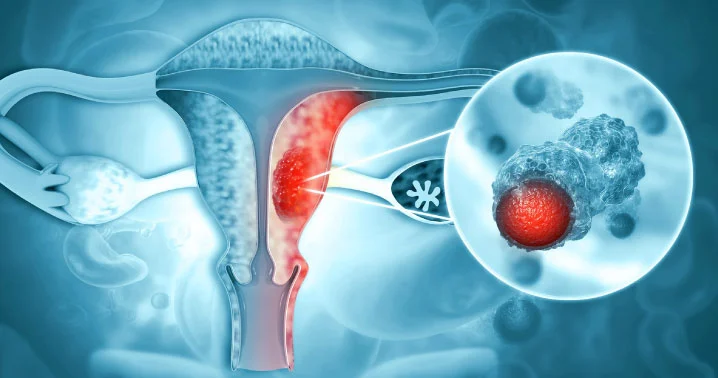
Endometriotic cancer, also known as endometrial cancer, is a type of cancer that affects the lining of the uterus (endometrium). This condition arises when abnormal cells in the endometrium start growing uncontrollably, forming a tumor.
While the exact cause of endometriotic cancer is still unknown, factors such as hormonal imbalances, obesity, and a family history of the disease may increase the risk.
Symptoms
Recognizing the signs and symptoms of endometriotic cancer is crucial for early detection and successful treatment. Common symptoms include:
- Abnormal vaginal bleeding, such as heavy or prolonged periods
- Pelvic pain or discomfort
- Pain during sexual intercourse
- Unexplained weight loss
- Fatigue and weakness
If you or your loved one experiences any of these symptoms, it is essential to consult an oncologist promptly for further evaluation and diagnosis.
Diagnosing Endometriotic Cancer
We employ state-of-the-art diagnostic techniques to identify and stage endometriotic cancer accurately. These may include:
1.Physical Examination: A thorough physical examination assesses any abnormalities in the reproductive organs.
2.Transvaginal Ultrasound: An ultrasound scan is performed to obtain detailed images of the uterus and surrounding structures.
3.Endometrial Biopsy: A small tissue sample is taken from the lining of the uterus for laboratory analysis to determine the presence of cancer cells.
4.Imaging Tests: Additional imaging tests, such as magnetic resonance imaging (MRI) or computed tomography (CT) scans, may be recommended to assess the extent of the cancer and identify any spread to other organs.
Treatment Options
The treatment approach for endometriotic cancer depends on various factors, including the stage of the disease, your overall health, and personal preferences. We will thoroughly evaluate your condition and tailor a treatment plan that best suits your needs. Some standard treatment options include:
1.Surgery: Surgical intervention is often the primary treatment for endometriotic cancer. This may involve removing the uterus (hysterectomy), fallopian tubes, ovaries, and nearby lymph nodes.
2.Radiation Therapy: In some cases, radiation therapy may be recommended to destroy cancer cells or reduce the risk of recurrence. This involves the use of high-energy X-rays or other types of radiation.
3. Chemotherapy: Chemotherapy utilizes medications to kill cancer cells throughout the body. Depending on the specific treatment plan, it may be administered orally or intravenously.
4. Hormone Therapy: Hormone therapy may be utilized to block the effects of estrogen on cancer cells, slowing down their growth and preventing further spread.
Process of Endometriotic Cancer Treatment
1.Consultation and Evaluation: During your initial consultation, Dr Navin Kumar will conduct a comprehensive evaluation to determine the stage and extent of endometriotic cancer. This will involve a physical examination, medical history review, and diagnostic tests.
2.Treatment Planning: Based on the evaluation, Dr Navin will discuss the available treatment options with you and work collaboratively to develop an individualised treatment plan.
3.Surgical Intervention: If surgery is recommended, Dr Navin will explain the procedure in detail, addressing any concerns or questions you may have. He will guide you through pre-operative preparations and provide post-operative care instructions.
4.Adjuvant Therapies: Depending on the specific case, additional treatments such as radiation therapy, chemotherapy, or hormone therapy may be incorporated into the treatment plan to enhance the effectiveness and long-term outcomes.
Get in Touch
If you or your loved one is facing endometriotic cancer, we understand the challenges and uncertainties you may be experiencing. Dr. Navin Kumar and his compassionate team are here to provide support, guidance, and advanced surgical oncology expertise throughout your journey.
Don't Ignore The Signs!
Consult Endometrial (Uterine) Cancer Specialist in Patna if you experience any
Endometrial (Uterine) Cancer Symptoms.
Diagnosis of Ovarian Cancer
Diagnosis of ovarian cancer typically involves several steps, given its subtle symptoms that often mimic other conditions.
1. Physical examination: The oncologist may palpate the abdomen and pelvis for masses or fluid build-up. A pelvic exam may also be done to check for abnormalities in the ovaries.
2. Imaging tests: Ultrasounds, CT/PET scans, or MRI may be used to identify ovarian tumors and determine their size and spread.
3. Blood tests: CA-125 is a protein elevated in many women with ovarian cancer. Blood tests checking for this marker can aid diagnosis, although it’s not definitive as other conditions can also raise CA-125 levels. Sometimes, especially in premenopausal females, other blood markers like HE-4, ROMA index are used to estimate the risk of epithelial ovarian cancer. AFP levels, LDH levels and b-HCG levels are routinely measured in premenopausal young females where germ cell tumors are more common.
4.Biopsy: A definitive diagnosis requires a biopsy. This involves removing tissue or fluid from the suspected area and examining it under a microscope for cancer cells. However, in early stage ovarian cancer biopsy is not performed for the fear of tumor spillage and upstaging of the disease.
5. Laparoscopy or laparotomy: Laparsocopy helps in determining the extent of disease spread by visual examination.This is turn helps in planning a treatment strategy ( for e.g. Chemotherapy first Vs.Surgery first approach ).
Laparoscopy also helps in taking biopsies from suitable areas.In suspected early stage ovarian cancer, a direct surgery without tissue diagnosis is advisable. Here the surgery works both as a diagnostic and as a therapeutic modality. The aim of such surgery is removal of all the visible tumour nodules.
6. Staging: If cancer is confirmed, further tests are done to determine its stage and spread.
Remember, early detection improves treatment success. If you experience persistent symptoms, consult an oncologist promptly.
Test for Ovarian Cancer
Testing for ovarian cancer involves a series of examinations and procedures. The process begins with a pelvic exam to check for any abnormalities in the ovaries. Two commonly used screening tests are transvaginal ultrasound (TVUS) and the CA-125 blood test. TVUS uses sound waves to visualize the uterus, fallopian tubes, and ovaries and identify any tumors or cysts. The CA-125 blood test measures the level of a protein that may increase in women with ovarian cancer.
However, neither of these tests is definitive. A CT scan can provide detailed images of the body and help determine if cancer has spread. Ultimately, a tissue biopsy is the only method that can definitively confirm an ovarian cancer diagnosis. In some cases, surgery may be necessary to obtain a tissue sample for biopsy.
Treatment Option for Ovarian Cancer
Ovarian cancer treatment involves various options and is often personalized based on the patient’s condition. Surgery is the most common treatment, aiming for debulking/cytoreduction, which involves removing as much of the tumor as possible. This procedure may involve removing one or both ovaries, the uterus, and potentially other tissues in the abdomen.
Fertility preserving surgical options are the treatment of choice in germ cell ovarian cancers as these cancers usually occur in young females in the reproductive age group.
Chemotherapy is another primary treatment option, administered either intravenously or directly into the abdomen. It can be used before surgery to shrink tumors or after to kill any remaining cancer cells.
Targeted therapy is a newer form of treatment that uses drugs to attack specific characteristics of cancer cells. These treatments can stop the cells from growing and dividing or cut off the blood supply to the tumors.
Hormone therapy, mainly used in certain types of ovarian cancer, uses drugs to prevent the hormones, particularly estrogen, from promoting the growth of ovarian cancer cells.
Immunotherapy is an emerging treatment option that utilizes the body’s immune system to fight cancer. It can be especially beneficial for women with advanced or recurrent ovarian cancer.
Supportive (palliative) care is also crucial, focusing on providing relief from symptoms and improving the quality of life.
Complementary methods like acupuncture, massage, and special diets are sometimes used alongside conventional treatments
Conclusion
Dr. Navin Kumar’s comprehensive approach to ovarian cancer ensures every patient receives the highest standard of care. With his extensive experience and dedication, he provides personalized treatment plans that include cutting-edge surgery techniques, chemotherapy, targeted therapy, hormone therapy, and emerging immunotherapies.
His commitment extends beyond just treatment, focusing on supportive care to manage symptoms and enhance quality of life. Dr. Navin collaborates with a team of specialists, ensuring a holistic view of your health. Trust in Dr. Navin’s expertise to guide you through this journey, offering hope, compassion, and exceptional medical care at every step.