
Colon Cancer Treatment in Patna
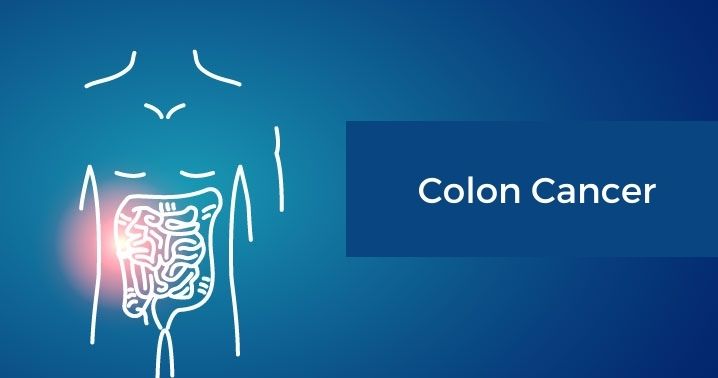
Colon Cancer (CRC) is one of the most common cancers globally, with more than 1.4 million new cancer cases diagnosed every year.
It is the second most commonly diagnosed cancer in females and the third most commonly diagnosed cancer in males.
Mortality (death rate) is slightly higher in the less developed countries with inadequate health infrastructure and limited resources.
However, factors like early detection and improved treatment, including advanced options for Colon cancer treatment in Patna, can greatly contribute to a better cancer prognosis.
What is Colon Cancer?
Colon cancers develop from polyps (tumours) in glandular tissue of the intestinal lining. Not all polyps develop into cancer. However, the size of the polyp is linked with the development of cancer.
Polyps less than 1 cm in size have less than a 1% chance of becoming cancer, but those that are 2 cm or more have almost a 40% chance of transforming into cancer.
Overall, if you have a polyp in the colon, the risk of cancer is about 5%.
Signs and Symptoms of Colon Cancer
Colon cancer may not have symptoms in its early stages. However, symptoms may appear as the tumour starts growing and spreading. Symptoms of colon cancer can include:
- Constipation
- Diarrhoea
- Cramping in your tummy
- Change in stool frequency and/or Consistency
- Rectal bleeding
- Blood in stool
- Black stools
- Bloating
- Fatigue
- Loss of appetite
- Pelvic pain
- Anaemia (reduced number of red blood cells) due to bleeding in your intestines
Don't Ignore The Signs!
Consult Colon Cancer Specialist in Patna if you experience any
Colon Cancer Symptoms.
Causes of Colon Cancer
The exact cause of colon cancer is still unknown, but certain factors contribute to the development of cancer.
Polyps :
These are the growths that can develop on the inner wall of the colon or rectum. One type of polyp, known as adenoma, makes colon cancer more likely.
Other Diseases
Colon cancer is associated with certain diseases like colon polyps or inflammatory diseases of the colon such as ulcerative colitis or Crohn’s disease, and cancers of the pancreas, breast, ovaries, or uterus.
Heredity :
A family history of colon cancer is a considerable risk factor for colon cancer development. Hereditary medical conditions include familial adenomatous polyposis (FAP), HNPCC ( Lynch Syndrome), MYH-associated polyposis (MAP), Gardner’s syndrome, Turcot’s syndrome, Peutz-Jagher’s syndrome, juvenile polyposis, and Cowden’s disease are associated with increased risk of colon cancers.
Chemical Exposure :
Exposure to certain chemicals, like chlorine in drinking water, can increase the risk of colon cancer. Lifestyle. Alcohol intake of more than 2 drinks per day and smoking increases the risk of developing colon cancer.
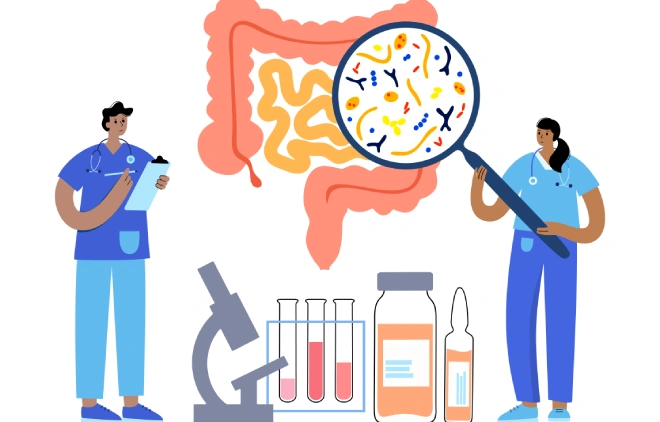
Diagnosis of Colon Cancer
Early detection of colon cancer is crucial for its cure and helps to prevent its spread. Here are some diagnostic tests that your doctor can recommend to confirm cancer:
1. Stool-based tests :
- Guaiac fecal occult blood test
- Fecal immunochemical test (FIT)
2. Direct visualization tests :
- Colonoscopy
- Flexible sigmoidoscopy
- CT colonography (virtual colonoscopy)
3. Imaging tests :
- CT scan
- PET scan
4. For rectal cancer :
- MRI of pelvis
If you observe any unexplained gastric symptoms lasting for several days, report them to your doctor for further screening.
Treatments for Colon Cancer in Patna
Treatments for colon cancer in Patna involves therapies to cure or control the disease and maintain a good quality of life. Treatment options may depend on the stage of cancer.
Surgery :
Surgery is the mainstay of curative treatment for localized colon tumours. The surgery aims to remove the affected segment of the large intestine with an adequate margin of normal bowel on either side along with the draining lymph nodes of the region.
The surgery for rectal cancer is commonly termed anterior resection. For tumours situated in the last 10cm of the rectum, a stoma may be necessary.
The stoma is the procedure where a segment of the bowel is brought to the skin of the tummy, where is it opened and fixed to the skin. After this procedure, the stool is coming out of this opening and gets collected in the bag attached to it.
This stoma can be performed on the small intestine (ileostomy) or large intestine ( colostomy). It can be either a temporary stoma or a permanent stoma. Your doctor may perform the surgery laparoscopically or using a robot (minimally invasive) or by the open method (involves larger cuts).
If you require Surgery, consult colon cancer specialist in Patna Dr. Navin Kumar.
Radiation therapy :
For locally advanced rectal cancer, radiation therapy forms an important part of treatment. It is usually given before surgery, along with chemotherapy.
Depending on the tumour characteristics a long course ( 5 weeks) or short course (5 days) of radiation is decided. Radiation therapy is not commonly used for colon cancer treatment.
Chemotherapy :
Chemotherapeutic agents commonly used in colon cancer are 5-fluorouracil, capecitabine (Xeloda), irinotecan (Camptosar), and oxaliplatin (Eloxatin).
Chemotherapy is used after successful surgery to prevent recurrence and prolong survival, in selected patients. It is also used in metastatic stage 4 cancers to control the spread of cancer.
Risk factors of colon cancer
Anyone can get colon cancer but some things that make people more likely to get it are:
Age :
The disease is more prevalent in older people more than 50 years of age. However, the chance of getting colon cancer goes up past the age of 40.
Gender :
Both men and women are equally at risk of developing colon cancer, but men are more prone to rectal cancer.
Health History :
If you have had any type of cancer before, you could get it again. The same is true for colon cancers. People with long-term conditions such as colon inflammation, or Crohn’s disease, are more likely to get colon cancer.
Diet :
A diet that includes more red meat, fat l, and very little fibre or fresh vegetables is strongly linked to colon cancer.
Lifestyle :
If you are overweight or have excessive smoking or drinking habit, you may have a higher chance of colon cancer. Type 2 Diabetes is associated with an increased risk of colon cancer.