
Gallbladder Cancer Treatment In Patna, Bihar
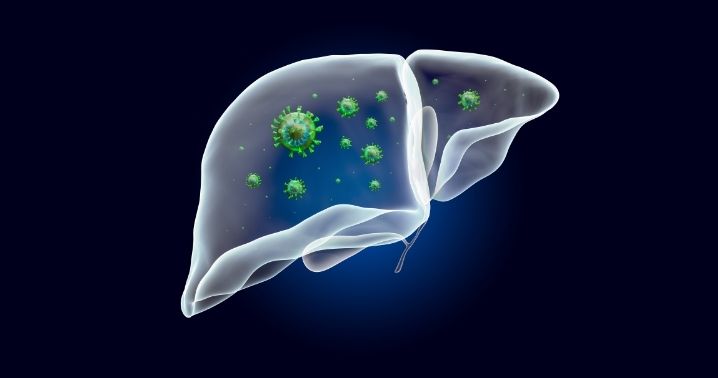
The gallbladder is a small, pear-shaped organ that is located on the right side of your abdomen, just below your liver. The gallbladder’s function is to store the bile juice, a digestive fluid produced by the liver. This fluid helps digest fats from food as it passes through the intestines.
Gallbladder cancer is a rarely occurring disease. Early detection of the gallbladder can help with a timely cure. However, most gallbladder cancers are discovered at a later stage when the prognosis is poor.
Gallbladder cancer is not discovered until its advanced stage because it doesn’t present any specific signs or symptoms. Therefore, the hidden nature of gallbladder cancer makes it easy to grow without being detected.
Gall Bladder Cancer: Meaning and its types
Gallbladder cancers are uncommon, and most of them are adenocarcinomas. Adenocarcinoma is a cancer that starts in gland-like cells that line inner body surfaces, including the inside of the digestive system.
Papillary adenocarcinoma or papillary cancer is a rare type of gallbladder adenocarcinoma in which the cells of gallbladder cancers are arranged as finger-like projections. They are less likely to spread into the liver and nearby lymph nodes. As a result, they have a good prognosis than other kinds of gallbladder adenocarcinomas.
Other types of cancer that start in the gallbladder include squamous cell carcinomas, adenosquamous carcinomas, and carcinosarcomas. These cancers are very rare.
Causes of Gallbladder Cancer
The exact cause of gallbladder cancer is not yet found.
Gallbladder cancer forms when the DNA of healthy gallbladder cells shows mutations. These mutations or changes signal the cells to grow out of control and form a tumor that can grow beyond the gallbladder and spread to other body areas.
Cancer usually begins in the epithelial cells present in the gallbladder’s inner lining, which later proliferates in surrounding parts.
Risk factors
Factors that increase the risk of gallbladder cancer are:
- Sex. Gallbladder cancer is more prevalent in women than in men.
- Age. The risk of gallbladder cancer increases with age, especially after 50.
- Obesity
- Gallstones. Gallbladder cancer is frequently seen in people who have gallstones or previously had gallstones.
- Other gallbladder conditions that increase gallbladder cancer risk include porcelaingall bladder, Choledochal cysts, bile duct abnormalities, Gall bladder polyps
- Other possible risk factors: smoking, chemical exposure in textile and rubber factories.
Signs and symptoms
Gallbladder cancer signs and symptoms include:
- Abdominal pain, specifically in the upper right part of the abdomen
- Bloating
- Unexplained weight loss
- Yellowish discoloration of the skin and whites of the eyes (jaundice)
- Whenever you experience any of these symptoms, seek medical help immediately.
Diagnosis
Your symptoms and the physical exam will suggest whether you have gallbladder cancer. Still, certain tests, including lab tests, imaging tests, and other procedures, can confirm the diagnosis. These include:
⇒ Blood tests
- Liver function tests (LFTs) function tests.
- Liver enzyme tests (alkaline phosphatase, AST, ALT, and GGT)
⇒ Tumor markers tests
Tumor markers are substances produced by cancer cells that are sometimes found in the blood. Those with gallbladder cancer have high blood levels of the markers called CEA and CA 19-9.
⇒ Imaging tests
Imaging tests like CT scan, PET scan and MRI have to be done to understand the spread of the disease.
⇒ Biopsy
Biopsy is not necessary to arrive at the diagnosis of gall bladder cancer. Hence a biopsy is done when there is reasonable amount of doubt about cancer and when nono surgical treatment like chemotherapy or radiation is planned. The tissue sample can be taken by open surgery or laparoscopically (minimally invasive way) or even taken by a needle under CT/USG guidance (fine needle aspiration (FNA) biopsy/ Core needle biopsy).
Gallbladder Cancer Treatments In Patna
Treatment options for gallbladder cancers will depend on the stage and spread of cancer, including your overall health and personal preferences.
In early and loco-regional spread, the goal of the treatment is to completely remove the gall bladder along with a variable cuff of liver tissue to achieve negative margins. This is done along with removal of the lymph nodes in the local region.
In advanced and metastatic stages, the goal of the therapy is to keep the disease under control so that patient can lead a comfortable life. Various forms of chemotherapy and radiation are used for the same.
1. Surgery- RadicalCholecystectomy
A procedure is done to remove the gallbladder with cancerous lesions. It means complete removal of the gall bladder along with a cuff of liver tissue and all the nodes in the region. Sometimes if the cancer is spreading, bile duct, and surrounding tissues is also excised.
2. Chemotherapy
Some drugs are used in chemotherapy to target the growing cancer cells and destroy them.
3. Radiation
Radiation is a therapy that uses high-powered energy beams, such as X-rays and protons that kill cancer cells.
Conclusion
Gallbladder cancer is nothing but an abnormal growth of cells that usually begins in the gallbladder and later spreads to nearby body areas. This is a rare type of cancer but is a major cause of worldwide cancer deaths. Therefore, early diagnosis is the key to its cure and better prognosis.
If you observe any symptoms of this cancer, report to your healthcare professional immediately to get yourself screened and treated on time.
For any further queries regarding Gallbladder cancers, contact our specialists now!
Don't Ignore The Signs!
Consult Gallbladder Cancer Specialist in Patna if you experience any
Gallbladder Cancer Symptoms.