
PIPAC Surgery in Patna
Peritoneal cancer occurs when cancer spreads to the lining of the abdominal cavity, known as the peritoneum.
Traditionally, treating peritoneal metastasis has been challenging because standard chemotherapy may not effectively reach all cancer deposits within the abdomen.
Today, advanced treatments like PIPAC (Pressurized Intraperitoneal Aerosol Chemotherapy) are offering new hope to patients with selected abdominal cancers.
If you are looking for the best PIPAC treatment in Patna, consulting an experienced surgical oncologist is crucial.
Dr. Navin Kumar is recognized for his expertise in managing complex gastrointestinal and peritoneal cancers, offering advanced treatment options and personalized care to help patients achieve the best possible outcomes.
What is PIPAC?
PIPAC, or Pressurized Intraperitoneal Aerosol Chemotherapy, is an innovative treatment designed for cancers that have spread to the peritoneum. Unlike conventional chemotherapy, which is delivered through the bloodstream, PIPAC administers chemotherapy directly into the abdominal cavity in the form of a pressurized aerosol or fine mist.
The pressure used during the procedure helps the chemotherapy penetrate cancer tissues more effectively, allowing the medication to reach areas that may otherwise be difficult to treat. This targeted approach enables higher local drug concentration while reducing exposure to the rest of the body.
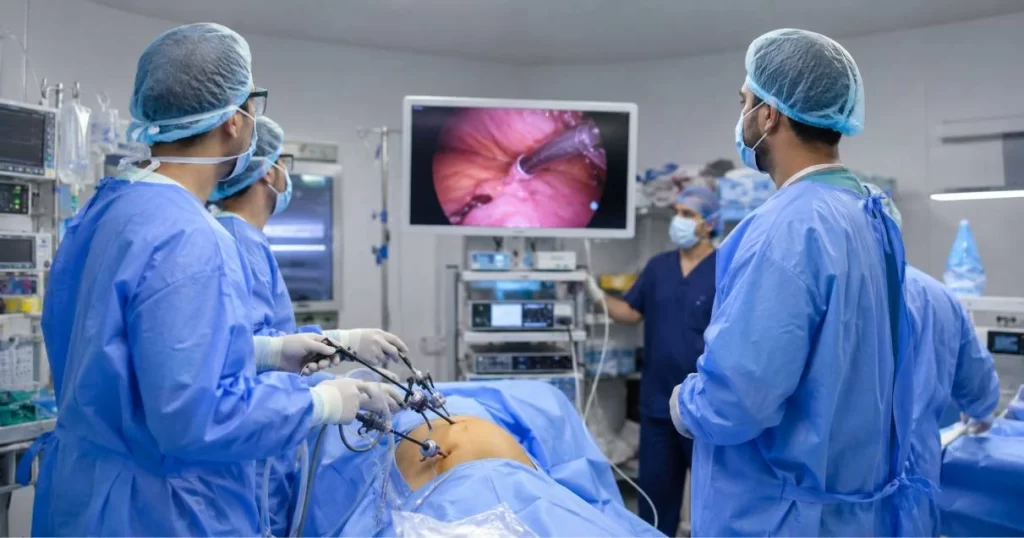
PIPAC is performed using minimally invasive laparoscopic surgery and is often considered for patients with advanced abdominal cancers where complete tumor removal may not be possible.
Conditions That May Be Treated with PIPAC
PIPAC may be recommended for patients suffering from:
- Colorectal cancer with peritoneal metastasis
- Stomach (gastric) cancer with peritoneal spread
- Ovarian cancer involving the peritoneum
- Appendix cancer
- Peritoneal mesothelioma
- Pseudomyxoma peritonei
- Selected pancreatic and gastrointestinal cancers
Not every patient is a candidate for PIPAC. A detailed evaluation by an experienced surgical oncologist is necessary to determine whether this treatment is suitable for your condition.
Who is a Good Candidate for PIPAC?
You may be considered for PIPAC if:
- You have cancer that has spread to the peritoneum.
- Complete surgical removal of tumors is not currently possible.
- You are medically fit to undergo laparoscopic surgery.
- Your oncology team believes targeted intraperitoneal chemotherapy may provide benefit.
- You are seeking additional treatment options after conventional therapies.
A detailed consultation with Dr. Navin Kumar can help determine whether PIPAC is appropriate for your specific diagnosis.
PIPAC vs HIPEC
Although both treatments target cancer within the abdominal cavity, they are used in different clinical situations.
PIPAC
- Minimally invasive procedure
- Delivered as pressurized aerosol chemotherapy
- Can be repeated multiple times
- Suitable for selected advanced cancers
- Performed during major cytoreductive surgery
- Uses heated liquid chemotherapy
- Usually performed once
- Suitable when extensive tumor removal is possible
Dr. Navin Kumar carefully evaluates each patient to determine the most effective treatment approach based on disease extent and overall health.
Recovery After PIPAC Treatment
Recovery following PIPAC is generally faster than recovery after major abdominal surgery.
Patients may experience:
- Mild abdominal discomfort
- Temporary bloating
- Fatigue
- Mild nausea
- Short-term changes in bowel movements
Most symptoms improve within a few days. Regular follow-up appointments are essential to monitor treatment response and plan future care.
Why Early Evaluation is Important
Peritoneal cancers can progress silently and often become advanced before symptoms appear. Early evaluation by a specialist can significantly improve treatment planning and help identify advanced therapies such as PIPAC before the disease progresses further.
Seeking timely consultation with an experienced surgical oncologist can provide access to innovative treatment options and improve overall management of the disease.
Consult Dr. Navin Kumar for the Best PIPAC Treatment in Patna
If you or a loved one has been diagnosed with peritoneal metastasis or advanced abdominal cancer, expert guidance can make a significant difference. Dr. Navin Kumar combines advanced surgical oncology expertise, evidence-based treatment strategies, and compassionate patient care to deliver comprehensive cancer management.
From diagnosis and treatment planning to advanced procedures like PIPAC, Dr. Navin is committed to helping patients receive the highest standard of cancer care. Schedule a consultation today to explore whether PIPAC treatment may be the right option for your condition and take the next step toward personalized cancer care in Patna.