
Esophageal Cancer Specialist In Patna, Bihar
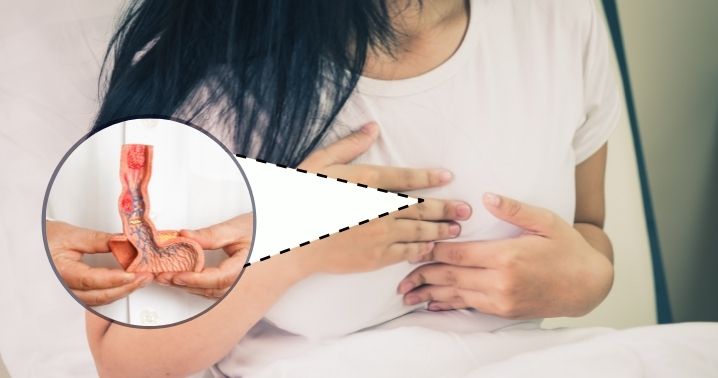
Esophageal cancer is the 6th most common cancer in India. However, many people are still unaware of this cancer or know very little about it. Esophageal cancer is of two major types: Squamous cell carcinoma and Adenocarcinoma, which can be caused by different causes.
The treatment of esophageal cancer depends upon various factors. Once it is diagnosed, it is vital to get treatment. If not treated or managed on time, it can lead to complications like pain, bleeding and obstruction.
Dr. Navin Kumar is a renowned esophageal cancer surgeon in Patna, Bihar. With over 15 years of experience, he specializes in GI cancers and has performed more than 6500 surgeries.
He is dedicated to providing exceptional care and treatment for esophageal cancer in Patna, Bihar. Contact Dr. Navin Kumar today for expert guidance and personalized treatment.
Let’s know about Esophageal cancer, its causes, symptoms and treatment.
What is Esophageal cancer?
Before talking about esophageal cancer, let’s talk about the organ this cancer originates in.
The esophagus is a long, hollow tube that connects your mouth and stomach. When you swallow food, it passes through this tube and reaches your stomach for digestion. This is why it is also known as a food pipe.
When the cells inside the esophagus grow abnormally, they can form a tumor. In the beginning, cancer starts on the inside. Next, it spreads and moves towards the outer side of the esophagus. This is medically known as esophageal cancer.
Types
There are two types of esophageal cancer:
| Adenocarcinoma |
Squamous cell carcinoma |
| This cancer occurs in the gland that secrets mucus in the esophagus. This cancer mainly occurs at the lower part of the esophagus and affects more people than the other variety of cancer. | When cancer forms in the squamous cells (flat cells that line inside the esophagus), it is called Squamous cell carcinoma or epidermoid carcinoma. It usually occurs in the top and the middle part but can affect any part of the food pipe. |
Causes
The causes of esophageal cancer are not clear. However, like other cancer, it occurs due to some mutations in the genes. When this happens, the cells grow uncontrollably and multiply quickly. Soon, these cells form a tumor and can affect nearby tissues.
Furthermore, a few risk factors can increase your chances of getting this cancer. Let’s know what they are!
Risk Factors
Something that is causing irritation in your esophagus can contribute to changes that can cause esophageal cancer. This irritation can be caused by different reasons that include:
- Smoking
- Older age
- Gender: Men are more prone
- Obesity
- Alcoholism
- Not eating enough vegetables and fruits.
- Difficulty in swallowing due to an unrelaxed sphincter (achalasia)
- Barrett’s esophagus
- GERD
- Corrosive injury
Risk factors don’t necessarily mean you will get this cancer. It shows a slightly increased chance of getting one.
Let’s now talk about the signs and symptoms of Esophageal cancer.
Signs and Symptoms
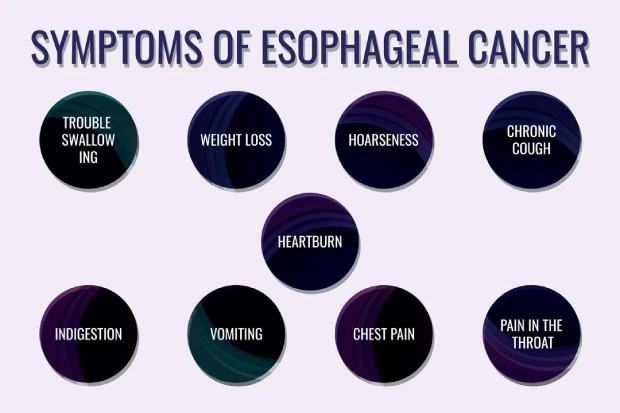
Consult an expert if you experience any signs and symptoms such as:
- Unexplained weight loss
- A feeling of a lump near the throat or chest.
- Pain behind your breastbone.
- Indigestion
- Heartburn
- Painful and difficult swallowing
Moreover, there are chances that the early stages of esophageal cancer may not cause any symptoms. Therefore, consult an esophageal cancer specialist in Patna, Bihar for timely diagnosis and treatment as soon as you notice any abnormality.
With this, let’s come to our next section: Diagnosis of Esophageal Cancer.
Don't Ignore The Signs!
Consult Esophageal Cancer Specialist in Patna if you experience any
esophageal cancer symptoms.
Diagnosis
Your doctor may suggest one or a combination of several tests like:
- Esophagoscopy: During this test, the doctor will insert an endoscope into your esophagus through your mouth and throat. This device has an attached camera on the top that allows a doctor to look for any lumps, tumor or irritation in the esophagus.
- Biopsy: Sometimes, when there is a suspicion during esophagoscopy, your doctor will collect a tissue sample and send it to a lab for further investigation to look for cancer cells.
Extent of Cancer
Once the diagnosis has been made, your doctor will suggest further tests to evaluate the stage of esophageal cancer and how far it has spread. These tests include:
- Positron emission tomography (PET)
- Bronchoscopy
- Endoscopic ultrasound (EUS)
- Computerized tomography (CT)
- Laparoscopy
Based on the results of such tests, doctors can tell the stage of esophageal cancer. The doctor can choose the best treatment option based on the cancer stage.
Esophageal Cancer Treatments in Patna, Bihar:
There are different treatments of esophageal cancer that depend upon various factors such as stage, health, preference, etc. Following are the treatment options:
Surgery:
Your doctor will prescribe surgery to remove small tumors or a part of the esophagus (esophagectomy). Moreover, in other cases, your doctor can perform another procedure (esophagogastrectomy) where a lower part of the esophagus and upper part of the stomach is removed. Next, the remaining stomach is pulled up and connected to the end of the esophagus.
Radiation Therapy:
With this procedure, doctors will use high-energy x-ray beams to destroy cancer cells or prevent them from growing. Radiation is the primary modality of treatment for upper esophageal cancers situated in the neck along with chemotherapy.
In other locations, Radiation is usually utilized before surgery to downsize the tumour. This is done in combination with chemotherapy. Radiation is also used as a palliative measure when the cancer is obstructing the passage of food in advanced inoperable cases.
Chemotherapy
Chemotherapy can be administered before surgery to downsize the tumor. Chemotherapy is administered after successful surgery in certain selected cases.
In advanced inoperable cases and stage 4 cancers, chemotherapy is used to control the cancer spread.
Chemoradiation Therapy:
A combination of chemotherapy and radiation is used as a curative treatment for upper esophageal tumours because it’s technically not possible to remove them surgically. Chemoradiation can also be used to reduce the size of the tumour and sterilize margins before surgery.
Combination of chemotherapy and radiation is used after surgery of the surgical margins are suboptimal.
If you are seeking treatment for esophageal cancer in Patna, Bihar. it is important to consult with an oncologist who can guide you through the available treatment options and develop an individualized plan based on your specific condition.
Conclusion
Esophageal cancer is no longer a rare cancer. As an aware audience, it is crucial to manage our risk factors and work towards preventing this disease.
To get a successful treatment, report to your doctor immediately if you notice even the minor symptoms in your body. The best cancer treatment is awareness, prevention and timely diagnosis.
Stay safe, and stay informed! You can book an appointment for further questions or consultation with Dr. Navin Kumar.