
Cervical Cancer Treatment in Patna
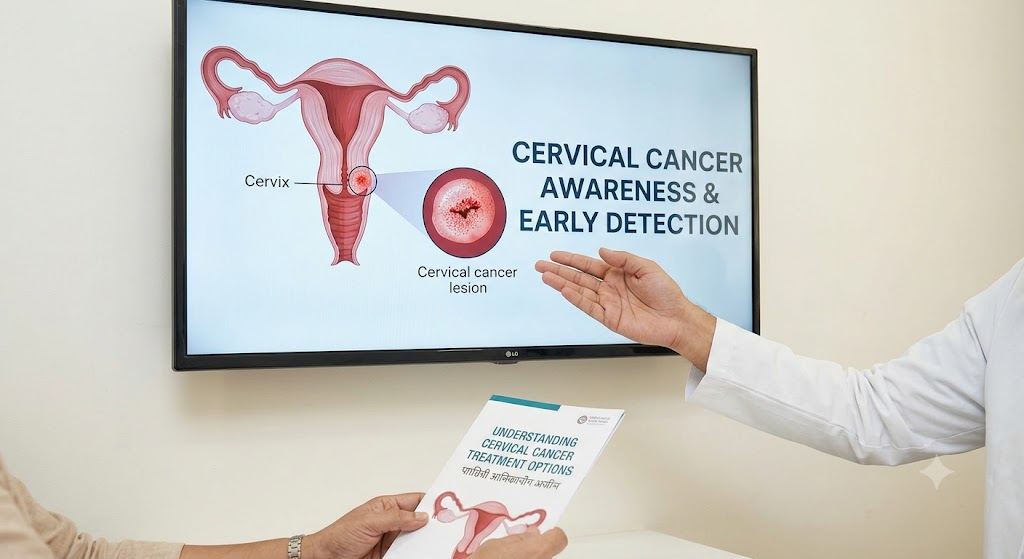
Cervical cancer develops in the cells of the cervix—the lower part of the uterus that connects to the vagina. It is one of the most preventable and treatable types of cancer when detected early through regular screening and diagnostic evaluation.
With advanced surgical interventions, minimally invasive and robotic procedures, and integrated oncological therapies, effective management and cure are achievable. Early detection, HPV vaccination, and timely medical intervention remain the key pillars for successful patient outcomes.
Understanding Cervical Cancer
Cervical cancer originates when healthy cells on the surface of the cervix undergo abnormal changes (dysplasia) and begin multiplying uncontrollably. In the vast majority of cases, these changes are driven by persistent infection with high-risk strains of Human Papillomavirus (HPV).
The cervix is divided into two primary zones: the ectocervix (the outer portion) and the endocervix (the inner canal). The transformation zone, where these two cell types meet, is the site where most cervical precancers and cancers arise. Because cervical cancer often develops slowly over several years, routine screening tests can identify precancerous lesions long before they progress to invasive cancer.
When detected early or in precancerous stages, treatment is curative and can often preserve fertility and reproductive function. For advanced stages, multi-modal oncological care ensures disease control and improved quality of life.
Types of Cervical Cancer
Cervical cancer is classified based on the cell type where the malignancy originates:
Squamous Cell Carcinoma: Accounting for about 80% to 90% of all cervical cancers, this type develops in the thin, flat squamous cells lining the outer surface of the cervix (ectocervix).
Adenocarcinoma: Originating in the mucus-producing glandular cells of the endocervical canal, this type accounts for roughly 10% to 20% of cases and can occasionally be more difficult to detect on standard pap smears.
Adenosquamous Carcinoma (Mixed Carcinoma): A less common form that features characteristics of both squamous cell carcinoma and adenocarcinoma.
Rare Histologies: Rare cervical tumors include small cell neuroendocrine carcinoma, cervical sarcoma, and cervical lymphoma, each requiring a specialized therapeutic protocol.
Signs and Symptoms of Cervical Cancer
Early cervical cancer and precancerous conditions typically produce no noticeable signs. As the cancer develops into surrounding tissues, noticeable symptoms may include:
Abnormal vaginal bleeding (between menstrual cycles, after sexual intercourse, or after menopause)
Unusual or persistent vaginal discharge (watery, pink, foul-smelling, or heavy)
Pelvic pain or pain during intercourse (dyspareunia)
Heavier or longer menstrual periods than normal
Back, flank, or leg pain (in locally advanced cases due to nerve or ureteral pressure)
Unexplained weight loss and chronic fatigue
Note: These symptoms can also stem from benign gynecological infections or cervical polyps. However, persistent symptoms must be evaluated by a surgical oncologist promptly.
Diagnosis of Cervical Cancer
An accurate and timely diagnosis involves clinical evaluation, cytological testing, and advanced imaging:
Medical Evaluation & Pelvic Exam: Thorough review of gynecological history, physical exam, and speculum examination of the cervix.
Pap Smear & High-Risk HPV DNA Testing: Primary screening tools to detect abnormal cervical cytology and persistent high-risk viral strains.
Colposcopy & Directed Biopsy: Direct visual examination of the cervix using a magnifying instrument (colposcope), followed by tissue biopsy of suspicious areas for histological verification.
Loop Electrosurgical Excision Procedure (LEEP) / Cone Biopsy: Excision of a small cone-shaped piece of cervical tissue to confirm precancerous lesions or determine micro-invasive cancer margins.
High-Resolution Imaging (Pelvic MRI & PET-CT): MRI provides high soft-tissue contrast to determine local tumor extension into parametrial tissues, while PET-CT evaluates regional pelvic/para-aortic lymph node involvement and distant spread.
Cystoscopy & Proctosigmoidoscopy: Selectively used in advanced stages to determine if nearby pelvic organs (bladder or rectum) are involved.
Treatment of Cervical Cancer
Treatment is tailored according to tumor stage, histological type, lymph node status, and the patient’s desire to preserve fertility:
Surgical Interventions:
Conization: Suitable for early micro-invasive disease wishing to preserve fertility.
Radical Trachelectomy: Removal of the cervix and parametrium while preserving the uterine body, an option for select young patients desiring fertility preservation.
Radical Hysterectomy: Surgical removal of the uterus, cervix, surrounding parametrial tissue, and pelvic lymph node dissection. This is commonly performed via laparoscopic or robotic-assisted cancer surgery for precise dissection, minimal blood loss, and faster recovery.
Radiation Therapy:
External Beam Radiation Therapy (EBRT): Delivers targeted radiation to the pelvis and lymph nodes.
Brachytherapy (Internal Radiation): Involves placing a radioactive source directly near the cervix, maximizing local tumor dose while sparing adjacent normal tissues.
Concurrent Chemoradiation: Standard definitive therapy for locally advanced cervical cancer, combining radiation therapy with low-dose weekly chemotherapy (e.g., cisplatin) to enhance radiation sensitivity.
Targeted Therapy: Targeted agents (such as anti-angiogenic medications) designed to halt the blood vessel supply required for cancer growth.
Immunotherapy: Immune checkpoint inhibitors that stimulate the body’s immune system to identify and destroy advanced or recurrent cancer cells.
Palliative Care: Comprehensive symptom relief, pain management, and supportive oncology aimed at maintaining maximum comfort and functional quality of life.
Don’t Ignore The Signs!
Consult a Cervical Cancer Specialist in Patna if you experience abnormal bleeding or persistent pelvic pain.
Conclusion
Cervical cancer is a manageable and highly treatable condition when approached with multidisciplinary clinical precision and evidence-based protocols. From organ-preserving surgeries for early-stage disease to advanced robotic radical hysterectomies and combined chemoradiation, our center provides comprehensive gynecologic oncological care. Our team ensures transparent communication, compassionate care, and personalized treatment pathways designed to achieve the best oncological and functional outcomes.
Don't Ignore The Signs!
Consult Cervical Cancer Specialist in Patna if you experience any
Cervical Cancer Symptoms.